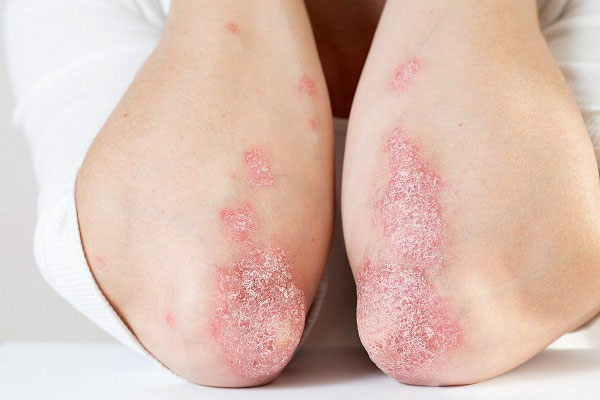
Psoriasis is a chronic, relapsing disorder of epidermal growth, in which keratinocytes proliferate too rapidly. This leads to raised, bright-red plaques covered with whitish scales in the affected areas. It is a common skin disease that can occur at any age and may involve almost any body site, including the nails. Diagnosis is usually clinical, though a skin biopsy may be required in selected cases to distinguish psoriasis from other eczematous conditions and to guide therapy.
Several factors can trigger or worsen psoriasis in predisposed individuals: traumatic events (accidents, major surgery), streptococcal infections (especially in guttate psoriasis), use or withdrawal of systemic corticosteroids, significant psychological stress, certain drugs (such as beta-blockers, lithium, gold salts, synthetic antimalarials) and metabolic syndrome (diabetes, cardiovascular disease and related conditions).